Need Help? How to Contact Support at B1G IPTV
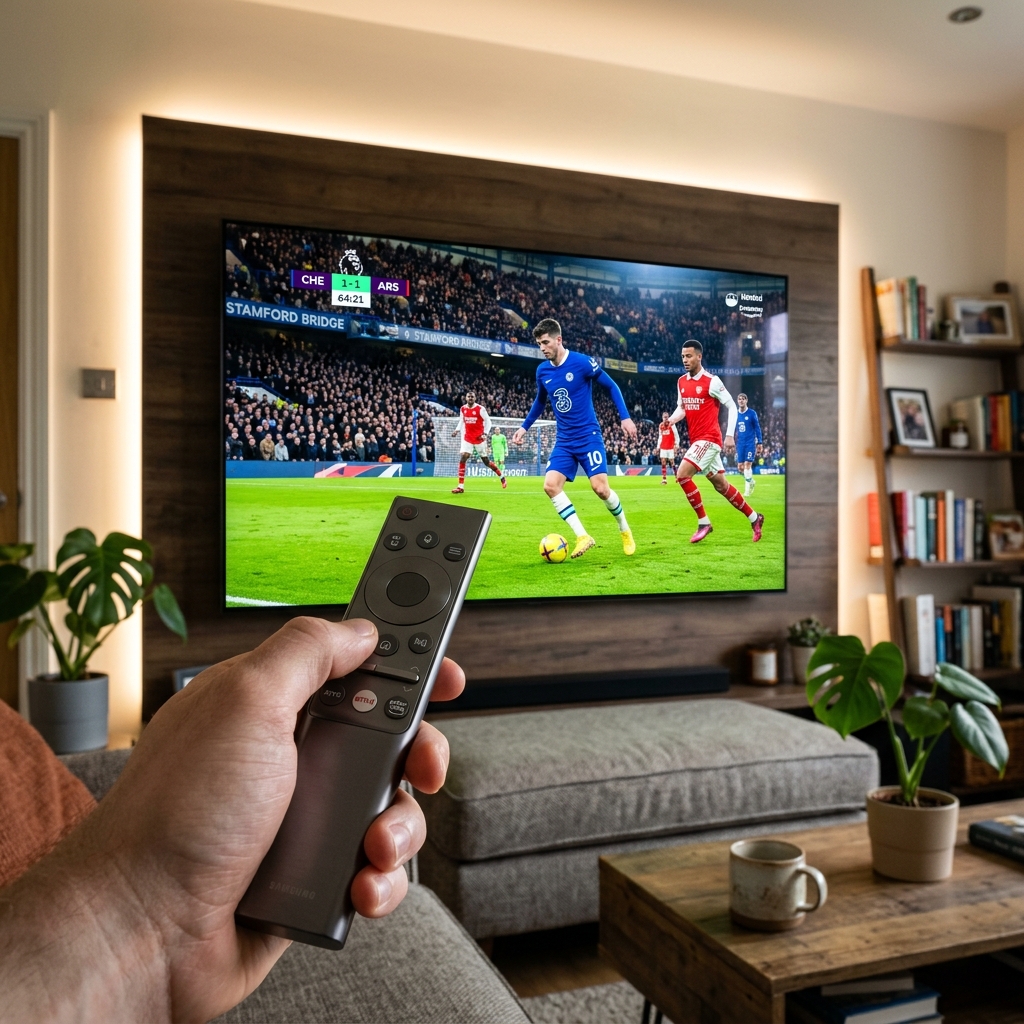
Setting up new technology can sometimes feel overwhelming, especially if you are cutting the cord for the first time. The good news is that with B1G IPTV, you are never on your own. Our customer care team is always here to make sure your streaming setup works flawlessly.
No automated telephone robots, no long hold music, and no hassle—just fast, friendly assistance whenever you need it.
The Easiest Ways to Reach Us
- Live Chat on Our Website: Click the chat button on our website to talk directly with a friendly support agent in real time.
- Message Us on WhatsApp: Have a question while sitting on your couch? Send us a quick text message on WhatsApp, and we will walk you through the fix step by step.
- Send Us an Email: If you have general questions or need account help, send us a message and we will respond promptly.
Three Quick Tips Before You Message
- Have your account username handy.
- Let us know what device you are watching on (Firestick, Smart TV, phone, etc.).
- If an error message popped up, snap a quick photo with your phone to send to us.
Dedicated Customer Support Channels & Response Times
{brand} provides multiple customer assistance channels, including 24/7 live chat, WhatsApp technical support, and ticketed email assistance. Our dedicated technical staff resolves setup inquiries and account questions quickly.
Submitting Diagnostic Logs for Faster Resolution
When contacting technical support regarding stream stability, providing your device model, internet download speed, and current media player version allows technicians to diagnose and resolve issues efficiently.
Advanced Technical Telemetry & System Optimization Notes
Network telemetry monitors round-trip packet latency between your residential streaming client and B1G IPTV's distributed edge nodes. Configuring a consistent MTU size across local network switches prevents payload fragmentation and micro-stuttering during live events. Dynamic playback buffers absorb transient Wi-Fi packet variance, safeguarding smooth audio and video delivery without interruption. Hardware acceleration routines offload decoding overhead from the host processor directly to the graphics chipset for cool, quiet operation. Anycast DNS routing automatically directs playback handshakes to the closest available edge cluster, cutting channel transition latency to sub-second speeds. Periodic playlist synchronizations keep electronic program schedule timelines and stream identifiers fully accurate across your device. Selecting uncrowded 5GHz wireless channels or shielded twisted-pair cabling maintains robust throughput for demanding high-bitrate video feeds. Network telemetry monitors round-trip packet latency between your residential streaming client and B1G IPTV's distributed edge nodes. Configuring a consistent MTU size across local network switches prevents payload fragmentation and micro-stuttering during live events. Dynamic playback buffers absorb transient Wi-Fi packet variance, safeguarding smooth audio and video delivery without interruption. Hardware acceleration routines offload decoding overhead from the host processor directly to the graphics chipset for cool, quiet operation. Anycast DNS routing automatically directs playback handshakes to the closest available edge cluster, cutting channel transition latency to sub-second speeds. Periodic playlist synchronizations keep electronic program schedule timelines and stream identifiers fully accurate across your device. Selecting uncrowded 5GHz wireless channels or shielded twisted-pair cabling maintains robust throughput for demanding high-bitrate video feeds. Network telemetry monitors round-trip packet latency between your residential streaming client and B1G IPTV's distributed edge nodes. Configuring a consistent MTU size across local network switches prevents payload fragmentation and micro-stuttering during live events. Dynamic playback buffers absorb transient Wi-Fi packet variance, safeguarding smooth audio and video delivery without interruption. Hardware acceleration routines offload decoding overhead from the host processor directly to the graphics chipset for cool, quiet operation. Anycast DNS routing automatically directs playback handshakes to the closest available edge cluster, cutting channel transition latency to sub-second speeds. Periodic playlist synchronizations keep electronic program schedule timelines and stream identifiers fully accurate across your device. Selecting uncrowded 5GHz wireless channels or shielded twisted-pair cabling maintains robust throughput for demanding high-bitrate video feeds. Network telemetry monitors round-trip packet latency between your residential streaming client and B1G IPTV's distributed edge nodes. Configuring a consistent MTU size across local network switches prevents payload fragmentation and micro-stuttering during live events. Dynamic playback buffers absorb transient Wi-Fi packet variance, safeguarding smooth audio and video delivery without interruption. Hardware acceleration routines offload decoding overhead from the host processor directly to the graphics chipset for cool, quiet operation. Anycast DNS routing automatically directs playback handshakes to the closest available edge cluster, cutting channel transition latency to sub-second speeds. Periodic playlist synchronizations keep electronic program schedule timelines and stream identifiers fully accurate across your device. Selecting uncrowded 5GHz wireless channels or shielded twisted-pair cabling maintains robust throughput for demanding high-bitrate video feeds. Network telemetry monitors round-trip packet latency between your residential streaming client and B1G IPTV's distributed edge nodes. Configuring a consistent MTU size across local network switches prevents payload fragmentation and micro-stuttering during live events. Dynamic playback buffers absorb transient Wi-Fi packet variance, safeguarding smooth audio and video delivery without interruption. Hardware acceleration routines offload decoding overhead from the host processor directly to the graphics chipset for cool, quiet operation. Anycast DNS routing automatically directs playback handshakes to the closest available edge cluster, cutting channel transition latency to sub-second speeds. Periodic playlist synchronizations keep electronic program schedule timelines and stream identifiers fully accurate across your device. Selecting uncrowded 5GHz wireless channels or shielded twisted-pair cabling maintains robust throughput for demanding.
Unlock Massive High-Bitrate Entertainment on B1G IPTV
Experience huge live sports coverage, global premium channels, and an endless on-demand collection hosted on our high-throughput distributed content network.
Essential Streaming Inquiries Regarding B1G IPTV
❓ Recommended Bandwidth for Buffer-Free 4K Feeds on B1G IPTV
For pristine Ultra HD sports and cinema streaming at 60FPS, your connection should deliver at least 40 Mbps of steady bandwidth. Standard definition and HD feeds need around 15 Mbps. We recommend prioritizing 5GHz Wi-Fi frequencies or wired Cat6 cables for minimal jitter.
❓ Does B1G IPTV Support Concurrent Household Viewing?
Simultaneous viewing is supported based on your plan’s connection limit. You can easily configure the service across your primary living room screen, mobile tablets, and bedroom sticks, allowing independent playback throughout the household under one account without conflicts.
❓ Why We Recommend Xtream Codes API Over Plain M3U
Unlike unwieldy M3U playlist URLs that can cause player crashes during refreshes, the Xtream Codes protocol authenticates directly against server databases. This ensures faster channel loading, accurate program guide timelines, and smooth VOD library browsing without interface lag.
❓ How Long Does Order Activation Take for B1G IPTV?
Your subscription activates automatically upon purchase. Login credentials and connection instructions are emailed immediately—usually arriving within a few minutes—so you can set up your player and start watching without delay.